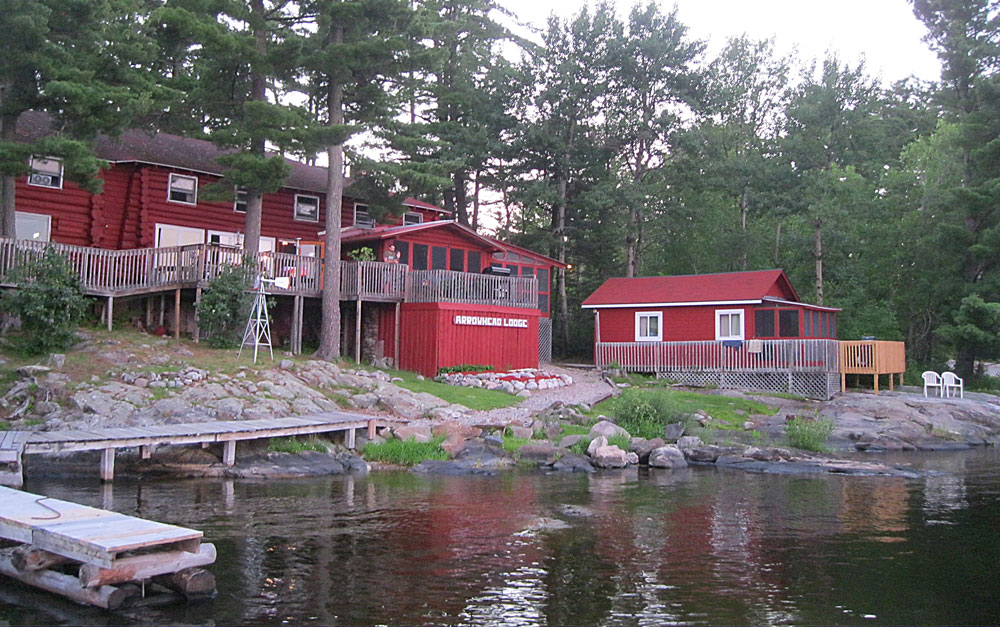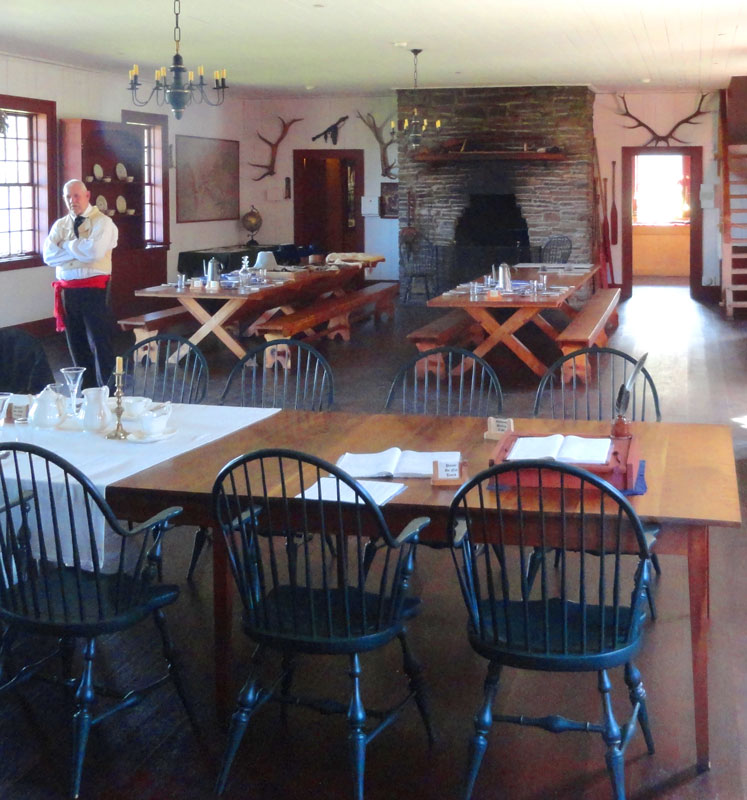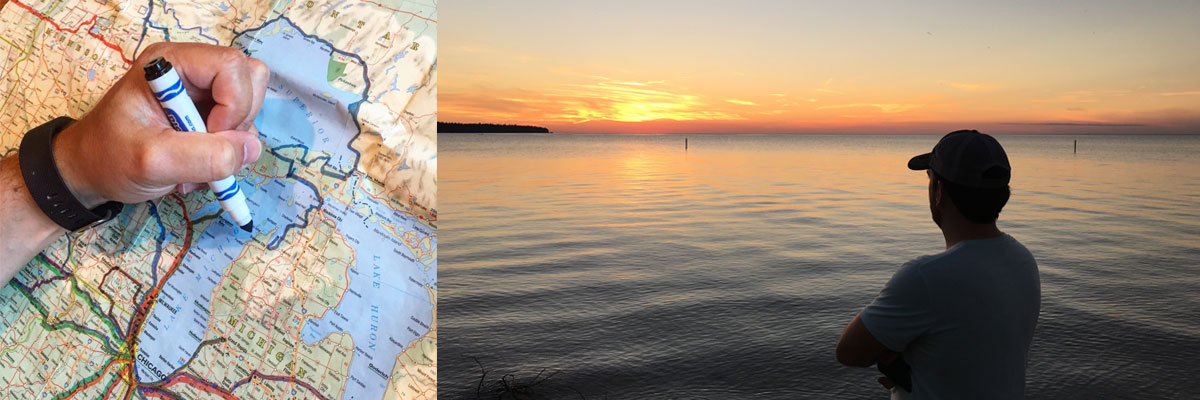
Statistics: Great Lakes Road Trip

Our summer 2016 road trip took us through five states, one Canadian province, three National Parks, a National Monument and three National Lakeshores. Here’s how it all breaks down by the numbers. Click the image for larger view.

Great Lakes road trip infographics

Posted in Destinations, Maps | Tagged , , , , , , , , , | 5 Comments

Great Lakes Photo Gallery

Images from our trip around Lake Superior and Lake Michigan, July 20 – August 5, 2016.
Click to enlarge, read captions and view slideshow.

Posted in High Kick Photos, Travelogues | Tagged , , , , , , , , , , , , , , | 10 Comments

We’re Home!

Our 2,447.7 miles on the road in Wisconsin, Minnesota, Ontario and Michigan were incredible. Stay tuned for detailed information and photos.

In the meantime, follow us on Facebook and Instagram @highkicktravel for the latest.

Posted in Maps | Leave a comment

Great Lakes Road Trip: The National Parks

In a week we’ll be beginning our next big summer road trip adventure. Included as always will be several National Park Service sites, six in the United States and one in Canada. They span in size from 710 acres at Grand Portage National Monument to the 571,790 acre Isle Royale. 2015 visitation numbers range from just 10,710 at Canada’s Pukaskwa National Park to more than 1.5 million at Michigan’s Sleeping Bear Dunes National LakeshoreHere are some brief facts and reasons why we’ve been wanting to head up north for a while now.

GreatLakes_Parks

Posted in Destinations, Upcoming Travel | Tagged , , , , , , , | Leave a comment

Summer Road Trip: Great Lakes

We’re heading way up north this summer to explore the farthest reaches of the Great Lakes. We’ll visit Wisconsin and Minnesota before looping around Lake Superior in Ontario and returning through the upper and lower peninsulas of Michigan. The initial route idea was conceived last fall, and we’ve spent the spring getting our lodging and transit reservations locked into place. In these last few weeks before we take off, we’re loading up on camping gear and researching details of the various parks we’ll visit.

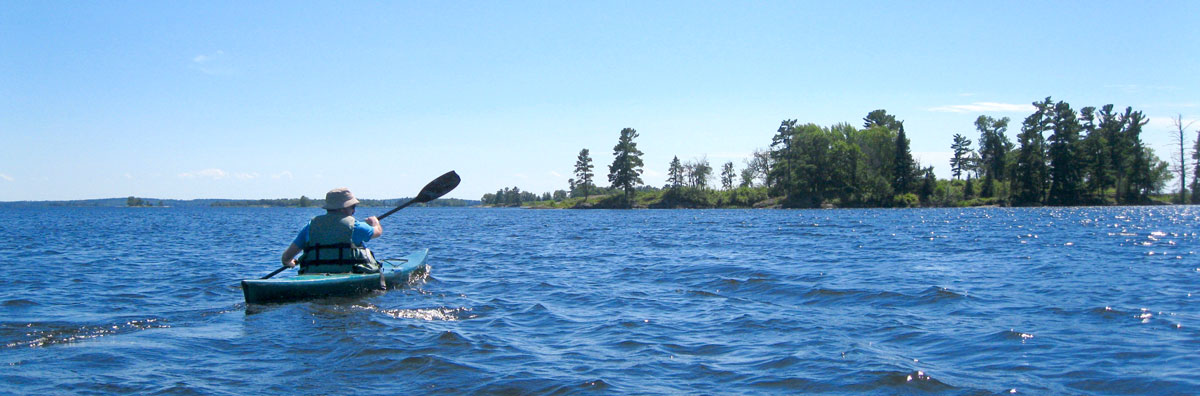
The first leg will take us from Chicago to Apostle Islands National Lakeshore. We’ve booked a late afternoon sightseeing cruise through this scenic area of islands in Lake Superior at the northernmost tip of Wisconsin. After overnighting in Bayfield, we’ll spend the next day getting to Voyageurs National Park at the Minnesota/Canada border. We’ll spend three nights in a rustic lodge on the shores of Lake Kabetogama, exploring the park via canoe, kayak or motorboat in addition to a ranger-led boat cruise. This land of intricate waterways and islands is one of the most remote areas in the continental U.S. and full of wildlife sighting opportunities.

After Voyageurs, the next stop is one we’ve been wanting to visit for a long time, Isle Royale National Park. It is a little-known and rarely-visited park on a narrow 45-mile-long island in Lake Superior. Access is only by float plane or ferry boat and there are very few services on the island.  A lot of our preparation is focused on our three nights of backcountry camping here. We’ve never camped together before, so we’re doing a lot of research and buying a lot of gear (we’re practicing with a night of camping in Wisconsin over the Independence Day weekend). We’ll arrive via the ferry from Grand Portage, Minnesota and get dropped off at McCargoe Cove. Three days later, we’ll have made our way to Rock Harbor Lodge where we’ll catch another boat back to Minnesota. We’re really excited to experience the pristine environment while completely cut off from the outside world for a few days. Camping experience could add a new dimension to all our future national park visits. We’ll see.

When we return to mainland, the plan is to cross the border into Ontario at Grand Portage, ending up in Thunder Bay for an evening in civilization. Then we’ll spend a day leisurely making our way across the northern shore of Lake Superior, stopping at various points of interest and scenery along the way. That night will be spent at a small guest house just outside of Canada’s Pukaskwa National Park. It’s the largest park in Ontario and is primarily wilderness, protecting the longest stretch of undeveloped Great Lakes shoreline. The Pukaskwa Coastal Trail runs nearly 40 miles south from the visitor center, but we are just planning on an “out and back” day hike at least as far as a suspension bridge over the White River.

The next overnight stop will be in the border town of Sault Ste. Marie, before we cross back into the U.S. and spend some time in Michigan’s Upper Peninsula. Our plans get a little more flexible at this point, with only lodging booked for now. We’ll take the last several days of the trip as they come. Pictured Rocks National Lakeshore will be another evening scenic boat cruise and we’re thinking of making a day trip over to carless Macinac Island for some biking. The town of Traverse City has come up on lots of lists of best places to visit, so we’ll set up there for two nights to explore the vineyards, breweries and food scene it is known for. Also, the third National Lakeshore we’ll visit, Sleeping Bear Dunes, is nearby. One last overnight town we’ve reserved is Ludington before we head home to Chicago.

So those are our big summer plans in a nutshell. After this trip, we’ll have visited all the mainland national parks east of the Mississippi River, our first Canadian National Park and hopefully survived three nights in a tent in the wilderness. Keep an eye out for posts detailing the parks we’ll visit. We’ll also be appreciative of any tips and recommendations from travelers who’ve been to these places before.

Summer-2016-parks

Posted in Destinations, Maps, Upcoming Travel | Tagged , , , , , , , , , , , | 1 Comment

Travelogue: Amtrak Southwest Chief

AmtrakHeader

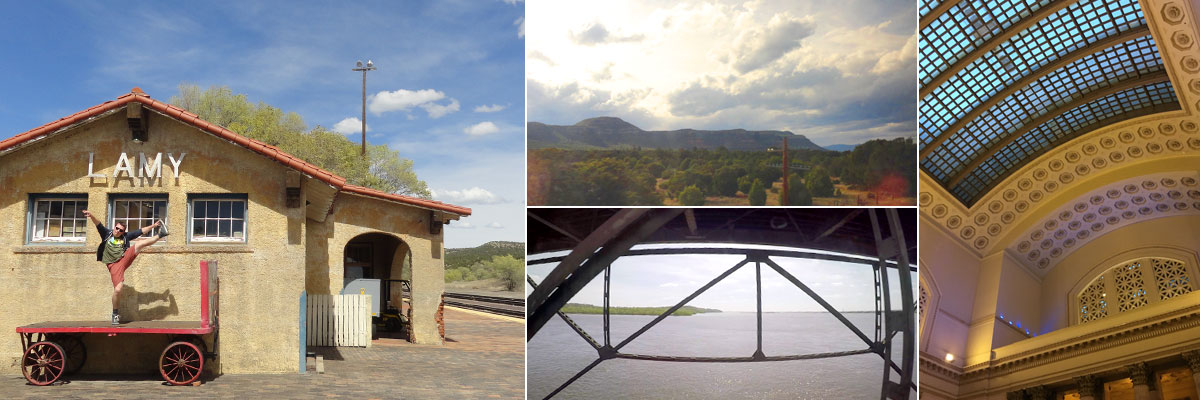
Waiting for the train in Lamy, Glorieta Pass, Crossing the Mighty Mississippi, Chicago Union Station.

At the conclusion of our trip, we had planned to fly home to Chicago from Albuquerque, but backed out when the airline moved our departure time earlier by three hours, cutting our time in Santa Fe significantly. With no good alternative flights and to add a new experience, we booked travel on Amtrak’s Southwest Chief from Lamy, NM to Chicago. The reasonably priced tickets included a “roomette” in a sleeper car, three meals and constantly changing views over the course of the 26-hour ride. What it lacks in speed, it makes up in charm.

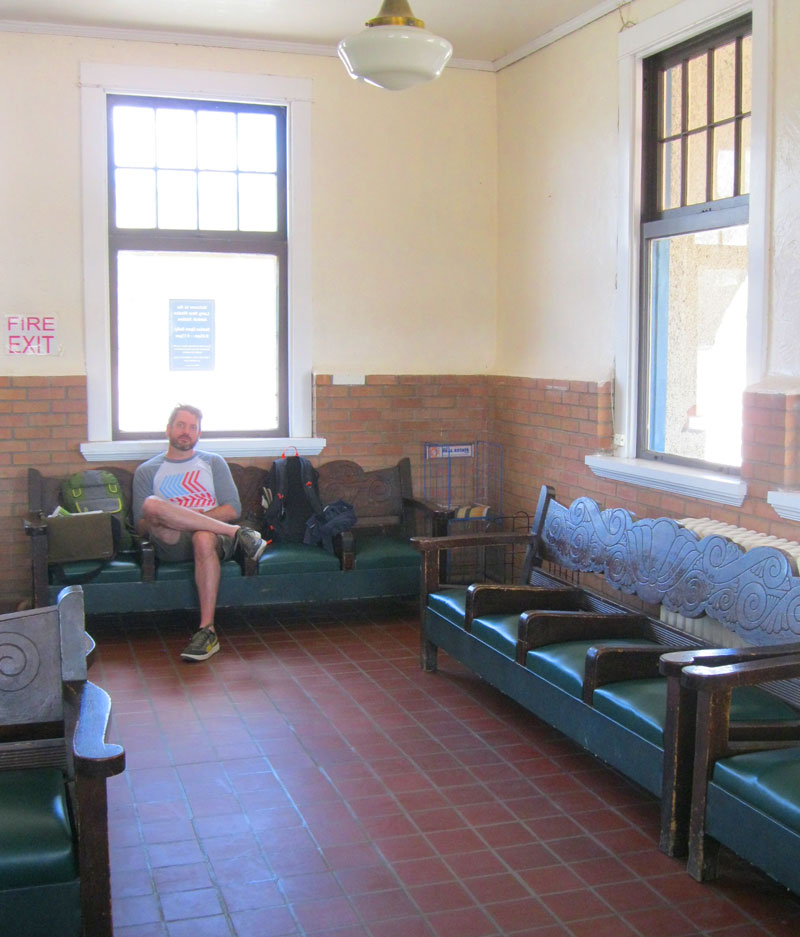
lamy-waiting-room

Waiting for our delayed train in Lamy, New Mexico.

Things didn’t get off to a great start. While hanging out in Santa Fe Saturday morning, we received text messages from Amtrak reporting the train would be an hour late … then two hours … then two and a half hours. We actually initially didn’t mind the delay since it meant getting to spend more time with friends at The House of Eternal Return, but it does point out some of the problems with our ancient train infrastructure. We delayed our ride to the Lamy station (the closest to Santa Fe) but still spent nearly two more hours waiting at the desolate outpost for our train. Finally it appeared from around a bend, the sleek Amtrak engines being pulled by a chunky BNSF freight locomotive due to engine failure. Our scheduled 1:17 departure had become 4:45. When our car rolled up to the platform, we were greeted by our attendant, Jesús, who already knew our names and immediately prepared our accommodations in roomette 3. Despite the delay, we were impressed by the personal service.

The Roomette is a great value for two people. It has two reasonably comfortable seats that face each other with a huge window running the full length of the cabin. A sliding door separates the room from the hallway and curtains can provide additional privacy. Roomettes don’t have a private bathroom like the full cabins, but we found the four bathrooms in each sleeper car more than adequate, never waiting to use the clean facilities. There’s even a shower available if you’d like. The Southwest Chief’s Superliner cars are double-decker, with the majority of the cabins and amenities on the upper levels. Ahead of us was the crew car and behind was another first class sleeper car like ours, after which came the dining car, followed by the observation lounge/bar car. The end of the train has a few coach seating cars, which would be fine for a shorter ride, but we’d only recommend doing overnight routes with the comfort of beds.

southwest-chief-new-mexico

Rounding a corner in New Mexico with the engines visible ahead of us.

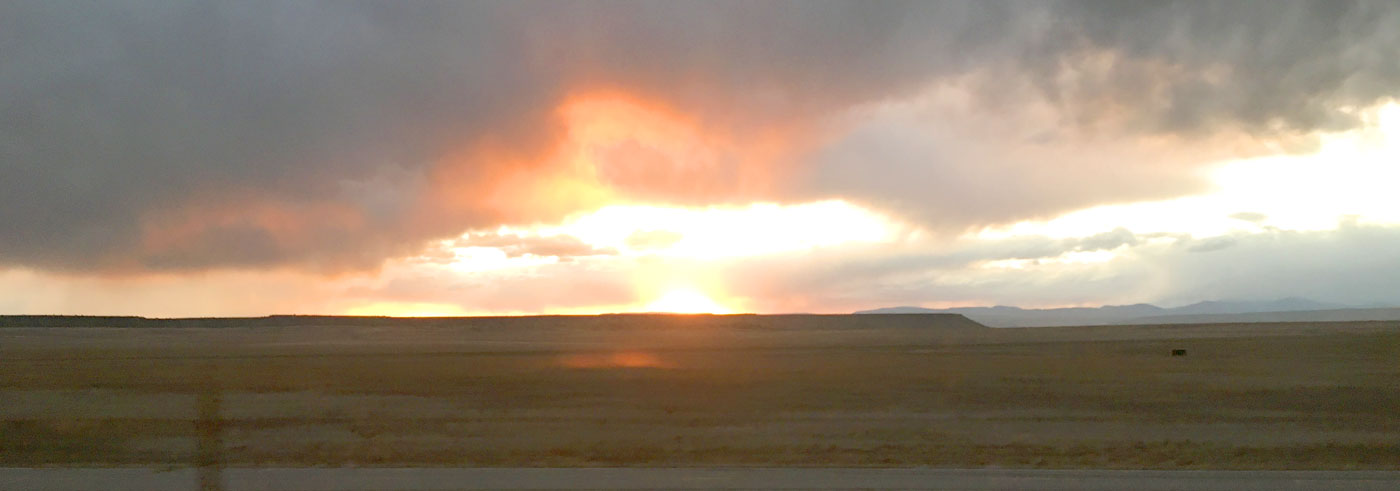
Shortly after boarding, Jesús came around to ask what time we would like dinner and gave us a ticket for the selected time. During dinner service, announcements are made calling passengers to the dining car at their reserved hour. When called, we headed back and were seated by friendly staff. The servers ask that pairs sit side by side, so at busy times you might get seated with some new friends. The dining car offers a nice menu plus daily specials. Wine is sold by the half bottle, so naturally we ordered two. amtrak-wineDuring that first dinner service, we were almost giddy with excitement. It’s such a treat to have a full-service meal while traveling the countryside at 70 miles per hour with an ever-changing view. It’s a total contrast to suffering through airline meals with plastic utensils and no elbow room. Since all meals are included with the cost of a first class ticket, we only had to pay for alcoholic beverages and tip (we tipped based on what the cost would have been if the meals weren’t included). After dinner we decided to spend the remaining daylight in the observation lounge. Beers purchased from the lower level snack bar and views out the floor-to-ceiling windows combined with lounge chairs made it about the most relaxing travel experience possible.

amtrak-new-mexico-sunset

Sunset over New Mexico viewed from the Observation Lounge.

Moving along in New Mexico, the Las Vegas stop offers a glimpse of a formerly luxurious Harvey House hotel that has since fallen into disrepair along the tracks. Unfortunately because of our delayed departure, the sun set before we arrived in Raton, which meant it was already dark during one of the most scenic areas of the Southwest Chief route. Here, the tracks head up to an elevation of 7,835 feet at Raton Pass and cross into Colorado in a tunnel. Around Trinidad, we decided to go back to our roomette. Jesús stopped by to ask if we’d like our room prepared for night and sent us to wait in an empty cabin while he turned the beds down. Returning to roomette 3 we found the seats folded together into a bed and an upper bunk swiveled down from the ceiling. It’s an impressively space-efficient layout, though obviously less comfortable than the average hotel bed. Carrying an extra pillow and a blanket would be a good idea for additional comfort. Getting to the upper bed requires some climbing skill and flexibility. Once situated, we found it a bit difficult to sleep. The constant motion of the train rocking on the tracks sounds like it might be soothing, but it’s a bit disorienting in reality. There’s an odd sense of motion without a clear sense of direction while lying down, I kept forgetting which direction my body was traveling. Also, a few times just as I was about to drift off, a larger side-to-side motion would startle me into thinking I’d be thrown off the bunk. Noise sensitive people might be bothered by the frequent honking for railroad crossings. Eventually we both managed to get some sleep, and it probably gets better the more accustomed you get to overnight train travel. I definitely found it easier to sleep on a train than in a plane, although on a plane you end up on a different continent, not just in the next state.

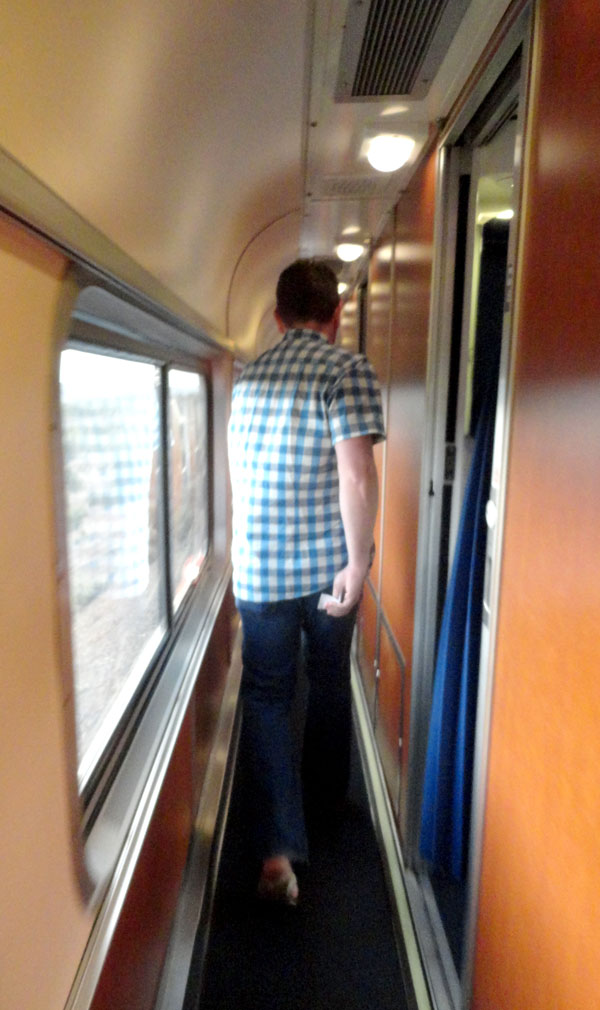
southwest-chief-sleeper-car

Making our way to breakfast.

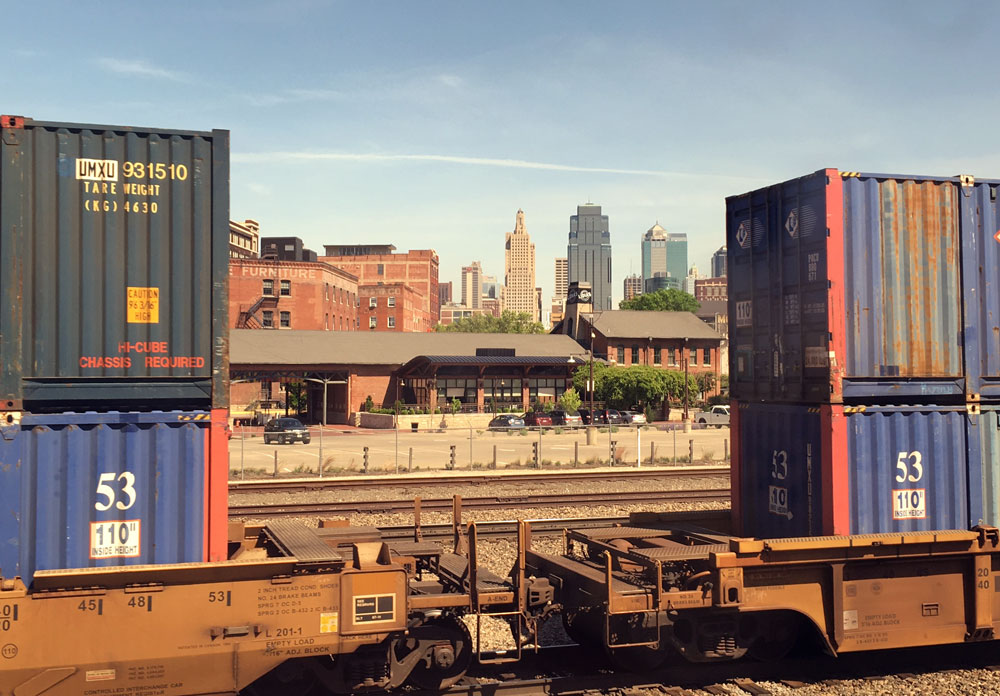
We awoke around 7:00am in Newton, Kansas, still running nearly four hours behind schedule. After a week in the dry southwest, it was a welcome sight to see some Midwestern spring greenness out the window and feel some moisture in the air. Free coffee and juice is available in the center of the hallway in each car in the morning. We changed clothes and freshened up in the bathrooms before heading to breakfast in the dining car. Breakfast is first come, first served, but we were seated immediately. The food was also good quality and we were still impressed by the view of the prairie passing by. Around 10:30am, we passed through Kansas City, stopping at the beautiful downtown Union Station. This is one of the longer, 20-minute stops that allows riders to get off the train for a few minutes, we grabbed some fresh air before re-boarding and crossing northern Missouri.

kansas-city-amtrak

Downtown Kansas City viewed from the tracks at Union Station.

It’s interesting to see the different view from railroad tracks compared to highways. There are no billboards or signs, just clearer views of nature. It’s a different view of towns too, passing by backyards and industrial areas instead of main streets. We also noticed a lot of people set up along the tracks with cameras on tripods photographing our train as we sped by, proof that train appeal runs deep. We briefly entered the southeastern tail of Iowa before crossing the mighty Mississippi on an impressive double-decker swing span bridge at Fort Madison. Seeing the giant river was a major contrast to the dryness of the southwest, the Rio Grande looks like a tiny trickle in comparison. We spent the last few hours in Illinois mostly reading in our room and looking forward to getting home. We rolled into Chicago Union Station 3.5 hours late, but happy we’d experienced a different way to travel. While Amtrak’s routes might not have the speed of Europe’s high speed rail systems, they definitely have the charm of old-school train travel and we loved it.

The station’s Great Hall looked as big as Carlsbad Caverns, and out on the street, we looked up at the Sears Tower and imagined the walls of Santa Elena Canyon. The peaks of the skyline from Lake Shore Drive reminded us of the Guadalupe Mountains. We were physically home, but not quite there mentally, as it should be after any good trip.

Previously: White Sands, Santa Fe, Bandelier
Previously: Marfa, Guadalupe Mountains, Carlsbad Caverns
Previously: Big Bend National Park

View the whole gallery of images from our trip here.
Posted in Travelogues | Tagged , , , , , , | Leave a comment

Travelogue: White Sands, Santa Fe, Bandelier

WhiteSandsSantaFeHeader

New Mexico’s landscapes are some of the wildest in the West, earning it the nickname “Land of Enchantment.” Driving from Carlsbad to Alamogordo provided plenty of varied scenery. The southeastern part of the state is mostly desert plains, but driving westward on Highway 82 leads into the green Lincoln National Forest and the Sacramento Mountains. At the town of Cloudcroft, the road reaches an elevation of 8,650 feet, only to plummet more than 4,300 feet in the next 16 miles. This drop marks the entrance to the Tularosa Basin, a depression enclosed by the Sacramento and San Andreas mountain ranges. This is the location of the surreal landscape of White Sands National Monument, a 275 square mile field of bright white sand dunes. Most sand is made of quartz, but unique conditions here created the world’s largest gypsum dune field. Because the Tularosa Basin is a closed system, meaning no water drains out, water-soluble gypsum gets trapped inside the basin instead of being washed to sea like everywhere else. Large selenite crystals form where pools of water dry up and eventually disintegrate into sand particles. Interestingly, because gypsum easily holds moisture and isn’t a good conductor of heat, the sand remains cool even in the blazing desert sun. Also interestingly, and somewhat unfortunately, the monument is located entirely within the White Sands Missile Range, where rockets are tested. There is a delicate balance of use between the National Park Service and the military. Sometimes the monument and nearby highway must close for a couple of hours during testing and hikers have been known to find bits of metal projectiles that landed in the sand.

The town of Alamogordo is a perfect base for exploring the monument, located just 15 miles from the entrance. We always love a nice “mom and pop” motel, so we booked a night at the White Sands Motel, right on the main drag of South White Sands Boulevard. The rooms were quiet and comfortable and the complimentary breakfast was above average. They even have a box of sand sleds for guests to borrow to take to the monument.

WhiteSandsSunset

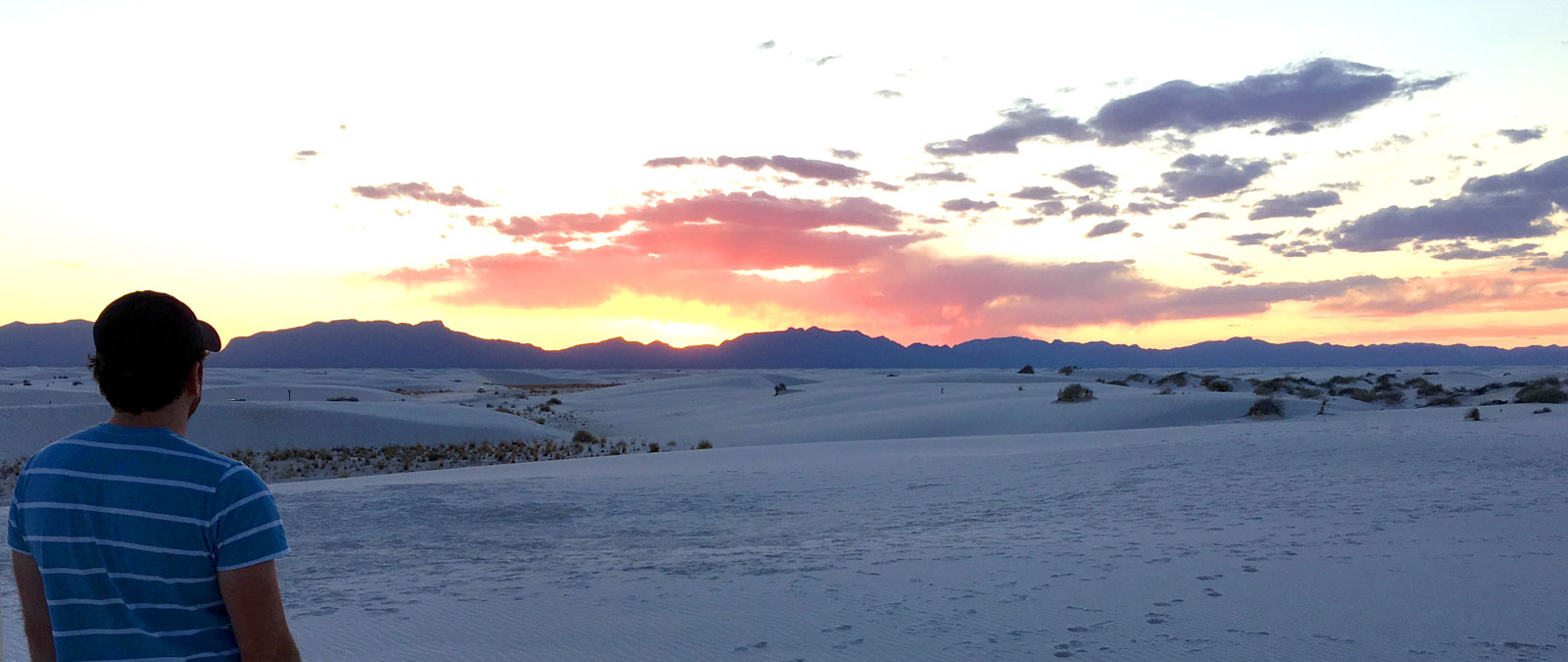
Watching the sun go down over the dunes.

Driving Dunes Drive takes visitors into another world. At first there is some vegetation in and around the dunes, but soon the road heads directly into the field, so every direction you look, all that is visible is a sea of white mounds. Even the road is white, resembling a winter scene more than a New Mexican desert. We arrived in time to join the nightly 6:30 ranger-led Sunset Stroll. No reservations are required for this walk, just find the group at the signed meeting point at about mile 5. Ranger Marie led us on a mile-long walk across the dunes, explaining the geology, history and life of the monument. It was a great introduction to the region and helped us understand what we were looking at. Toward the end of the walk the actual sunset occurs, filling the sky with pinks and purples and making the white sand transition to golden, pink and finally cool blue. The low angle of the sun on the rippling dunes makes for great photography opportunities at this hour as well. Returning to town, we found dinner at the Hi-D-Ho Drive In, an authentic alternative to the sea of chain restaurants lining White Sands Boulevard. It’s an old-school drive-in with car hop service and unique burger flavors, but sadly there were more people at the glaring Sonic drive-in a few doors down. Support the locally-owned restaurants, travelers.

alkali-flat-trail

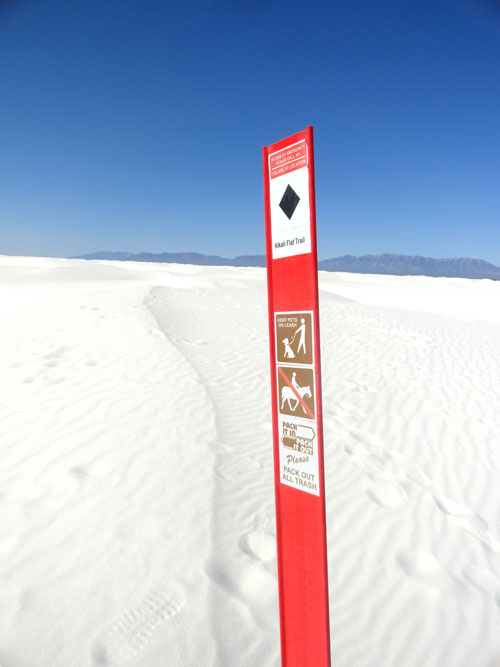
Marker along Alkali Flat Trail.

The following morning we headed back to White Sands for a more lengthy visit. We stopped by the visitor center to watch the park video and fill our water bottles. This is the only place in the monument to fill up with water, which is extremely important in such a dry place. The temperatures in April are pleasant, but the dry air will suck all the moisture out of you unless you stay properly hydrated. We took Dunes Drive all the way to the end of the road where it makes a loop through several picnic areas and a parking area for the Alkali Flat Trail. This five-mile loop through the dunes is one of the more unique hike settings we’ve experienced. First of all, there’s no well-worn trail to follow. Since the dunes continually blow and shift, footprints and pathways can get covered up almost immediately after a hiker passes. The route is marked by a series of stakes placed in the sand. It’s kind of like playing connect the dots, just walk to the next visible stake to stay on the trail. It’s very important to stay within site of the markers because looking in any direction results in roughly the same view, which can be disorienting. The trail doesn’t have serious elevation gain overall, but the dunes can be up to 50 feet high, so there are lots of ups and downs. Near the halfway point, the trail flattens out as it reaches the edge of Alkali Flat, a former lake bed that contains the crystal form of gypsum (selenite). A military complex is visible in the distance, but otherwise the only reference points are the stakes that lead back to the parking lot and the far-away mountain ranges. Back at the car, we attempted sand sledding with the plastic saucers we borrowed from the motel. It was moderately successful, especially compared with our sand boarding experience at Great Sand Dunes last summer, but we never achieved much speed or grace, and instead decided it was lunch time. We found great sandwiches at the Brown Bag Deli while passing through Alamogordo toward points northward.

white-sands-standing


valley-of-fires

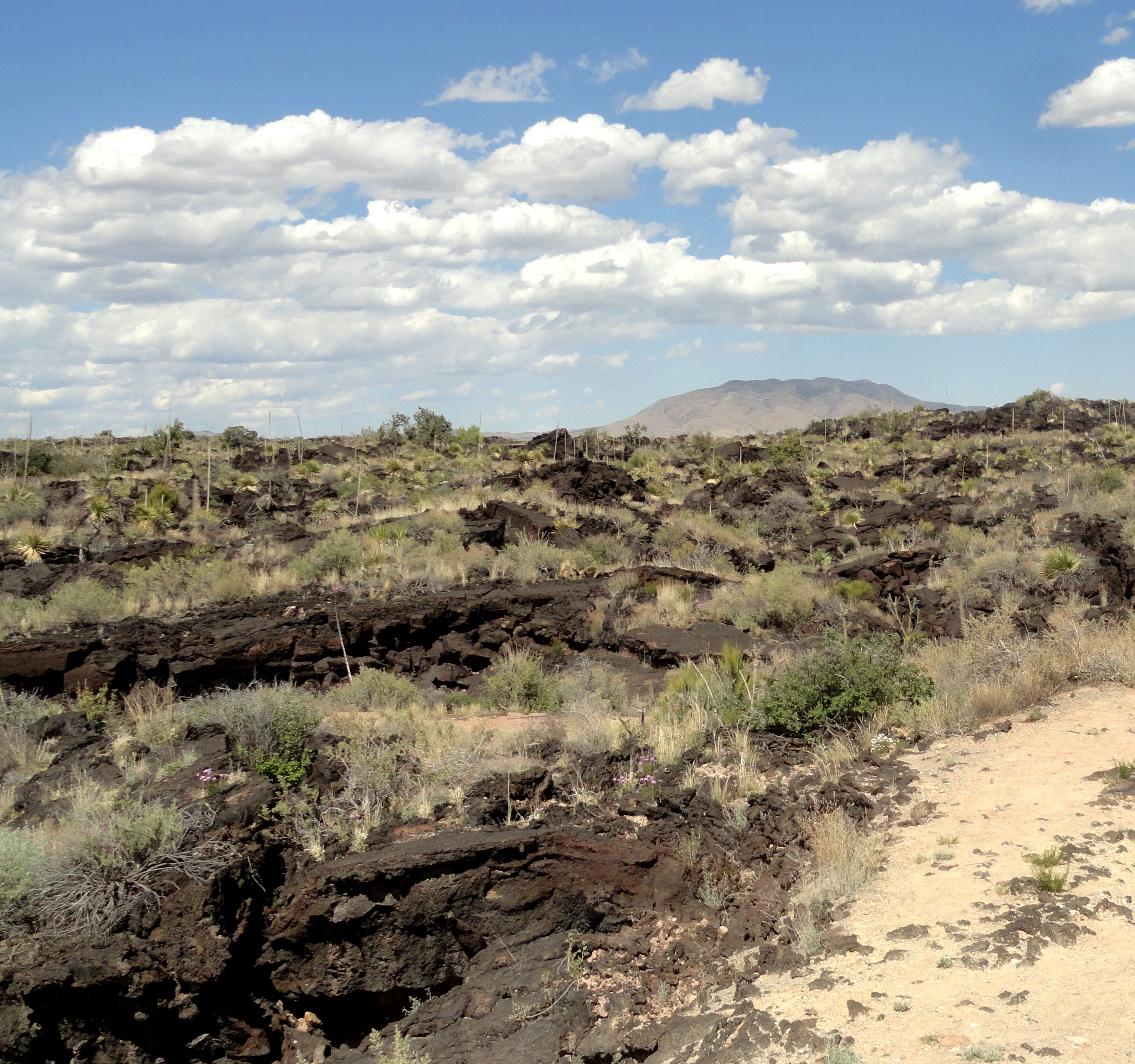
A variety of desert plants have colonized the black volcanic rock at Valley of Fires.

Sometimes just checking out an atlas is a great way to discover little detours while on the road. That was the case with Valley of Fires National Recreation Area. A little red dot on the map alerted us to its existence just off our path toward Santa Fe near the town of Carrizozo. The black, volcanic ground here was a stark contrast to the white sands we’d walked on earlier in the day. It was formed by lava that spilled out of Little Black Peak about 5,000 years ago, making it one of the most recent lava flows in the country. It covers 125 square miles and is 45 miles long but only a few miles wide. The recreation area consists of a small visitors center, a campground, picnic shelters and a short nature trail. Pick up an interpretive brochure at the center for explanations of the sights along the paved walk. Life has adapted to living in this unique environment, colonizing what from a distance seems like barren rock with a variety of desert plants and animals. After stretching our legs it was time to find the way to Santa Fe.

New Mexico’s capital city of Santa Fe holds the distinction of having many “firsts” and “oldests” in the United States and North America, but it was the last stop on this trip. Having been founded around 1610, it is considered the second oldest town in the country and its oldest capital city. It claims the oldest public building (Palace of the Governors), the oldest house and oldest church. Its age means there are many layers to its history, from Pueblo village to Spanish settlement, all the way to its emergence as a major art center and ultimately its 2005 designation as a UNESCO Creative City. At 7,200 feet in elevation, it’s also the highest state capital, but at 70,000 residents it’s modestly sized and approachable. Santa Fe lies in a bowl with the Sangre de Christo Mountains to the east and the Pajarito Plateau to the west. The downtown area was laid out in the early 1600s according to the “Laws of the Indies” that the Spanish used as guiding principles in urban design. A grid of streets radiates out from a central plaza surrounded by adobe buildings santa-fe-adobeand arcades. In the early 20th century, with a variety of architectural styles encroaching on the historic adobe look of Santa Fe, the city decided to protect its unique look by requiring all new and rebuilt buildings to adhere to the “Pueblo Revival” style. Today the city’s look is still intact. It works especially well in the historic center around the plaza, feeling authentic and unified. Outside of downtown it seems like overkill to have adobe-style fast food restaurants and tire shops, but overall it’s an attractive settlement by any standards.

Our lodging for two nights was El Rey Inn, located southwest of downtown on the major thoroughfare of Cerrillos Road. It’s a beautiful property with nicely decorated rooms and landscaped courtyards between the various buildings. The hot tub was great for our legs after a week during which we hiked more than 40 miles. In the food department we loved the Mexican platters and margaritas at La Plazuela restaurant inside La Fonda hotel. The hotel/restaurant is one of the famous properties that was operated by the Fred Harvey Company from the 1920s through the ‘60s. The restaurant occupies a skylight-covered courtyard in the center of the building with ornamental trees and ornate tile work, a lovely setting for lunch. Our other meals were more casual affairs enjoyed with our Santa Fe friends and their kids. The Cowgirl Restaurant is great for families with children and has a great beer list for the adults as well. We also loved the atmosphere at Draft Station/Rooftop Pizzeria directly overlooking Santa Fe Plaza. They have a good local beer selection, unique pizza styles and a large game room that means fun for all ages. Our favorite morning coffee/breakfast spots were Iconik Coffee Roasters tucked away on Lena Street and Tune-Up Cafe on Hickox Street.

Probably the best known reason to visit Santa Fe is for its art scene. It has long been a center for native crafts and folk art. Georgia O’Keefe settled near here and fell in love with the New Mexican landscape. Today there is a high concentration of artists practicing all varieties of art. Galleries are visible all over town, especially along Canyon Road. Even the state capitol building’s circular corridors are lined with works created by New Mexican artists.

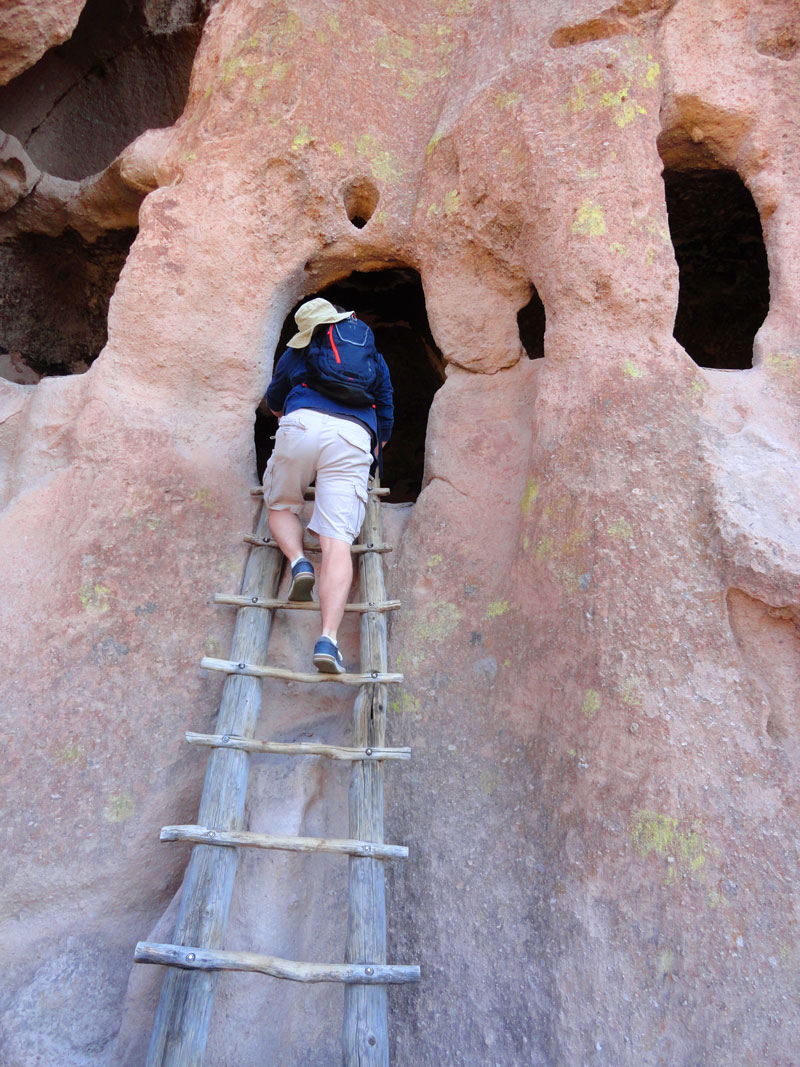
bandelier-cliff-roomOutdoor recreation has a huge influence on tourism as well, with hiking, biking and skiing all available nearby. We took a day trip to Bandelier National Monument to add to our hiking miles. Located a scenic hour drive from Santa Fe near the town of Los Alamos, Bandelier is the oldest of the National Park Service sites we visited on this trip, established in 1916. The monument preserves the homes and territory of the Ancestral Puebloan cultures, whose descendants still call New Mexico home. The monument covers 33,677 acres, but the majority of the amenities are contained within Frijoles Canyon. This is where the main park road leads to an impressive collection of rustic-style Civilian Conservation Corps era buildings, a.k.a. “Parkitecture”. The visitor center has a thorough interpretive museum explaining the lives of the people who lived in Frijoles Canyon. It is believed they were groups that moved south into New Mexico after leaving the area of Mesa Verde National Park in present-day Colorado. The 1.2 mile Main Loop Trail begins here and takes visitors past a range of dwelling styles, rock paintings and petroglyphs. Tyuonyi Pueblo comes first, which is a large, circular, multi-room structure that likely once stood up to three stories high. Nearby, the site of Long House displays neat rows of holes carved into a sheer cliff that once supported floor beams. Residents also carved extra back rooms out of the soft volcanic ash rock. Further along the trail, Alcove House can be reached by climbing 140 feet of ladders. Sheltered by an overhang of rock, it’s reminiscent of the cliff dwellings we toured at Mesa Verde last summer. Bandelier contains 70 miles of hiking trails in total, mostly backcountry routes, but only three miles of road, so there’s plenty more to explore on a longer visit.

tyuonyi-pueblo

Tyuonyi Pueblo viewed from the trail to Long House.

Before heading home, we had one more must-see Santa Fe site to see. An arts collective called Meow Wolf has transformed a former bowling alley into the interactive experience “The House of Eternal Return.” Inside, they have created a world that tells the mysterious story of a family and their home that guests can begin to unravel through exploration. Room after room contains wild scenes that bend space and time and provide clues as to just what happened here. It’s one of those experiences that blew away our expectations. We spent a couple hours inside, but could have stayed in much longer, untangling more of the mystery, but we had a train to catch, and that’s a whole other story.

Up next: Amtrak Southwest Chief
Previously: Marfa, Guadalupe Mountains, Carlsbad Caverns
Previously: Big Bend National Park

View the whole gallery of images from our trip here.

Posted in Travelogues | Tagged , , , , , , , , , , , | Leave a comment

Travelogue: Marfa, Guadalupe Mountains, Carlsbad Caverns

GuadCarlHeader

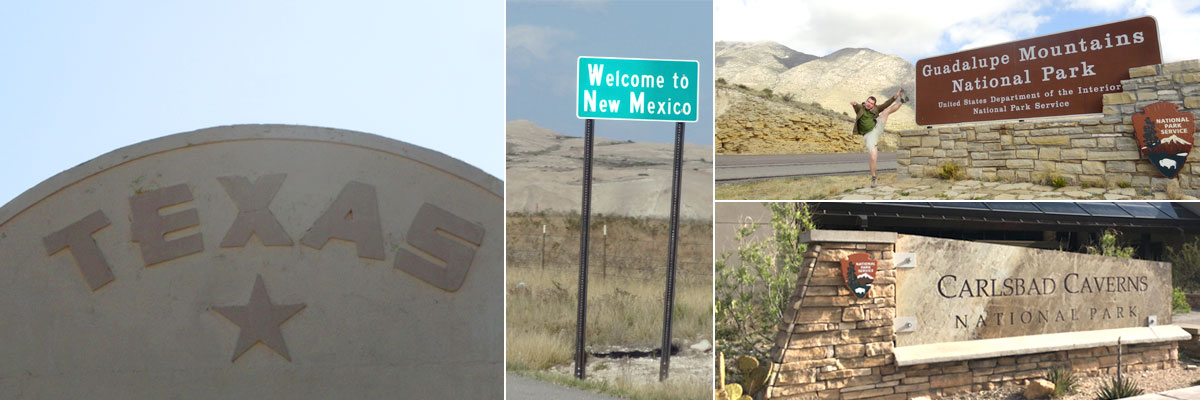
After our stay in Big Bend, we turned toward Texas’ other National Park, Guadalupe Mountains. This park is located about four hours north, just below the border with New Mexico. It contains the highest mountain range in Texas, including the highest point in the state. The peaks are the remnants of an enormous reef that formed at the edges of an inland sea during the Permian period about 250 million years ago. Sediments then covered the reef for ages, before uplift and erosion re-exposed the rock beginning 65 million years ago. The National Park covers the portion of the Guadalupes in Texas, but the range extends to the north into New Mexico, where an entirely different world awaits. Carlsbad Caverns National Park lies within the same geologic formation just 30 miles north in New Mexico. Here, petroleum deposits deep underground seeped up and reacted with groundwater to form sulfuric acid that dissolved enormous caverns in the limestone. Then, mineral-rich water filtering from above slowly built dazzling formations. In 1898, local ranch hand Jim White thought he saw smoke rising from the land and went to investigate. Approaching, he discovered millions of bats exiting a huge hole in the ground. He explored the cave by lantern light, named many of the rooms and brought the cave to the attention of the public. It became a National Monument 25 years later in 1923. Like Big Bend, this is another remote region, with no services near Guadalupe Mountains and only a few options near the entrance to Carlsbad Caverns, but their proximity makes for a convenient double park visit.

marfa-watertower-downtown

Downtown Marfa, Texas.

Due to the lack of hotels convenient to Guadalupe Mountains, we needed an overnight stop on the way from Big Bend. The famous art destination of Marfa, Texas fit the bill perfectly. I’ve wanted to visit Marfa since reading about it years ago, mostly for the novelty of having such a vibrant cultural scene so far from anywhere. The present popularity got started in 1971 when the artist Donald Judd rented a house in Marfa. He needed a place to get away from the bustle of New York City, and the empty desert spoke to his minimalist sensibilities. Years later the effect of art on the town has been transformative. What otherwise might be a dusty, forgotten spot in the high desert has a strong tourism industry. Our visit happened to be on a Monday, when many businesses are closed, but we still found enough to see and do to make it worth a night. There are numerous lodging options in Marfa, several quite unique. We ended up at the historic Hotel Paisano, which offers comfortable beds, a central location and a nice patio for enjoying a beer. Having done some research ahead of time, we knew the Judd Foundation is open on Mondays, so we walked a couple blocks to the office and bought tickets to the 4:30 tour. This visit covers “La Mansana de Chinati” (a.k.a The Block) where Judd had his home and studios. The whole complex is surrounded by an adobe wall and contains two huge former hangar buildings in addition to his house, pool and various outbuildings. Highlights are the library and rooms filled with his works. Upon his death in 1994, orders were to leave the block as it was, so nothing has been moved since he last left his home. The nearby Chinati Foundation also showcases art by Judd and his contemporaries and there are lots of galleries around town. Plan on visiting during a weekend for the full Marfa experience.

Marfa is filled with more food options than any town of 1,733 residents has any right. Again, Monday isn’t the most lively day to visit, but we had a wonderful meal at Cochineal including modern cocktails normally not found outside big-ish cities. The following morning we picked up some breakfast at a grocery store and headed up Highway 90 through the high plains toward Guadalupe Mountains. On the way, we stopped at the roadside art installation of Prada Marfa. This false luxury retail storefront has stood along the highway since 2005 attracting sightseers by looking purposely out of place.

Guadalupe-mountains

Approaching Guadalupe Mountains from the south was a magnificent sight, with the bluff of El Capitan standing imposingly out the windshield. Guadalupe Peak itself was hiding in some morning clouds that had yet to burn off. The park is just two hours by road from Marfa, and we crossed into the Mountain time zone on the way, arriving at 10am. Our main goal was to hike Guadalupe Peak, so arriving fairly early in the day was essential. This park is the least-visited of the NPS sites we saw on this trip and it was apparent by the hushed atmosphere. We checked out the Pine Springs visitor center, filled our water bottles and parked at the trailhead near the campground. Several trails depart from this central location, including hikes to Devil’s Hall, The Bowl and Bush Mountain. We signed the trail register and counted only 11 names that had set out for the summit earlier than us.

Going into this hike, we knew it had some serious climb. Compared to our South Rim hike at Big Bend, the Guadalupe Peak Trail has 1,000 more feet of elevation gain in 1.75 fewer miles. There’s no warm up slope here, the route is basically a relentless incline for 4.25 miles, gaining 3,000 feet. The first third of the hike zigzags up an extremely steep east-facing slope, but achieving elevation from the start has its benefits: there’s no wait to get a view. Turning around after just the first few switchbacks reveals a sweeping vista over the visitor center and across the Delaware Basin. About a mile and a half in, the trail hops over a ridge and begins traversing a north-facing slope. This section offers some shade, and while it still climbs rapidly, there are fewer switchbacks here. Around mile 3 there is a short spur trail leading to the high-altitude Guadalupe Peak Campground. Ahead, the true summit comes into view. Even after hiking for a couple hours, it still looks high. A brief level portion gives the legs a break and crosses the highest bridge in Texas, a small wooden decking structure over a rocky crevasse. The last mile is on rockier, treeless southeastern-facing slopes, with a cool view of the top side of El Capitan on the left. After a few final pushes, we arrived on the summit.

Guadalupe-summitThe high point is marked by a stainless steel pyramid commemorating the Butterfield Overland Mail route. From up there the view is amazing, with the green swath of the Guadalupes to the north and the wide Delaware Basin stretching off to toward the east. To the west, a field of gypsum sand dunes in the park is visible as well as some circular, irrigated fields in the distance. An old ammunition box serves as a summit log, with a book to sign and assorted mementos left by previous visitors. I dropped a highkicktravel business card in there for a future hiker to discover. There was only one other person at the top when we arrived, and he left shortly after, so we had the peak to ourselves. For our summit picnic lunch, we packed sandwiches from a Subway in Van Horn. (Mental note: go ahead and get the footlong sub when planning to hike several miles.) After taking in the view for about 45 minutes, we turned back to the trail. I always debate whether climbing up or going down is more difficult, but I’d say it’s about even on Guadalupe Peak trail. The nearly constant grade is tiring in both directions. We must have been taking more time to look around on the way down, because we both commented several times “I don’t remember this part on the way up.” Nearing the home stretch, several mule deer appeared in our path, so we all stood in mutual curiosity for a few minutes before they bounded off into the brush. After returning to the car, we continued up Highway 62 across the border into New Mexico.

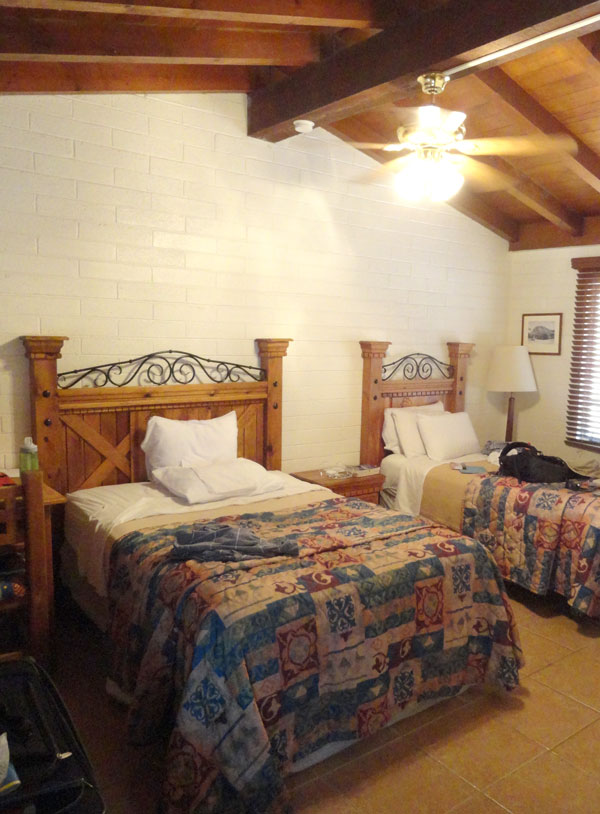
Whites City, New Mexico is a rather sad little outpost right at the entrance road to Carlsbad Caverns National Park. You can tell from the empty motel and shop buildings that there have been better days, but it’s clear most visitors today stay in the town of Carlsbad, another 20 miles up the road. We spent the night at the Rodeway Inn, which has low rates, large rooms and free waffles for breakfast. The main appeal is that it is just minutes from the park visitor center, but we ended up driving to Carlsbad for dinner that night anyway. We chose the Trinity Restaurant where we were introduced to New Mexican wine and ate unique Mexican-inspired Italian dishes.

Carlsbad-entrance

Looking back at the last slice of daylight after entering the cavern.

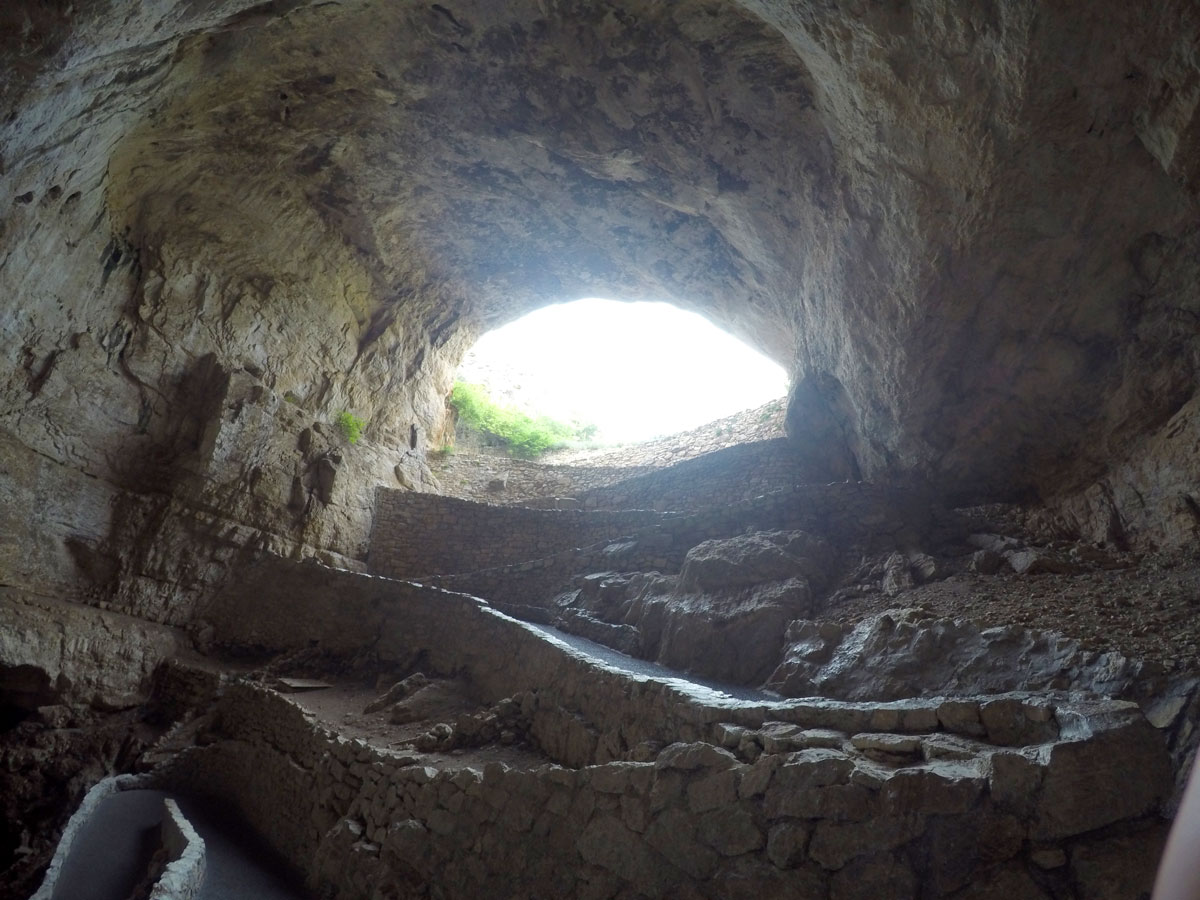
The next morning, we had just a seven mile drive to get to the Carlsbad Caverns visitor center. We booked a ranger-guided King’s Palace Tour ahead of time, so we picked up our tickets at the office and browsed the exhibits while we waited for the 9:00 announcement of the daily cave-opening. We took the short stroll to the natural entrance, got briefed by a ranger and began our descent. During our visit in April all the elevators were out of service, so everyone was required to enter and exit the cave on foot. (As of May 20, one elevator has been restored.) The natural entrance route descends 750 vertical feet in a little over a mile, so it’s not an insignificant hike, but all areas open to visitors have paved trails and railings, easing accessibility. Just below the bat-watching amphitheater, the route begins a series of wide switchbacks, dropping gradually under the rim before heading directly in. Thousands of Cave Swallows careen around the entrance in all directions, making a racket and causing us to fear looking up. It also doesn’t smell so pleasant here, like a combination of musty basement and bird droppings, but it’s easy to look beyond that once you see the first room open up ahead. Once the last bits of natural light fade away, the trail begins a steep descent, winding back and forth across the cavern and passing some wild formations. Decorations like the Whale’s Mouth and the Witch’s Finger are just previews to what lies below. The ceiling seems impossibly high at times, almost disappearing into the darkness beyond the reach of the new LED lighting system. As the trail continues spiraling downward, it seemed like we’d never reach the bottom, but after about an hour, we finally made it. Tour groups meet the ranger in the cafe area. Sidebar: The existence of a 1950s era souvenir and snack shop down there is odd, but follow the natural tunnel to the restrooms for a totally surreal experience. It looks like a totally average office building restroom plopped 750 feet underground.

Ranger Alyssa began her 10:30 King’s Palace presentation in the cafe before leading us to a locked gate a little ways back on the entrance trail. The rooms on this tour: Kings Palace, Papoose Room and Queen’s Chamber are among the most spectacularly decorated chambers anywhere. Guests are only allowed in these rooms with ranger supervision, because in the past, people loved to break off pieces of cave decorations as souvenirs. Idiots. Thousands of stalactites and soda straws hang from all the ceilings, while the Queens Chamber contains beautiful draperies. Alyssa’s specialty is geology, so the talk was highly informative on how the cave was created and how all these different speleothems (cave decorations) were formed. Ecology is a common theme in the cave talk too. At Green Lake, we learned that years ago scientists found elevated levels of metals in the water. The source was cars in the parking lot 850 feet above, so the lot was moved and fitted with a filtered edge to keep pollution under control. With an hour and a half and one mile of walking, the Kings Palace tour was a great introduction. Tour times and availabilities vary throughout the season, so check schedules to see what interests you the most.

Carlsbad-big-room-panorama

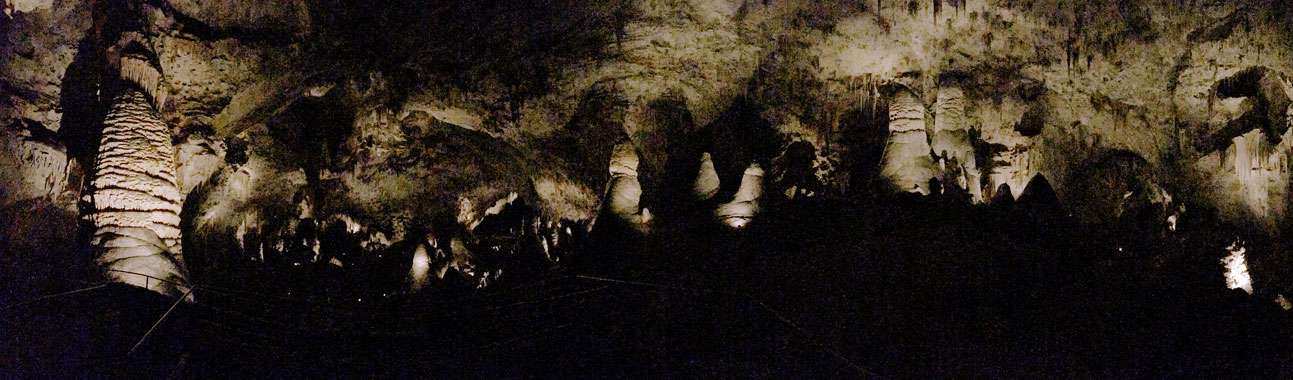
Panorama taken in the Big Room. This room is 625 feet wide.

After that we set off to see the self-guided and appropriately-named Big Room. This is one of the largest cave chambers in the world with dimensions of 4,000 feet long, 625 feet wide and 255 feet high at its peak. The floor area alone could hold just over 6 football fields. There is a mile of paved walkway that twists through varied and ornate formations, from the six-story-tall “Giant Dome“ to the many small, minion-like stalagmites called “Fairyland.” Plan on spending about an hour and a half exploring this portion of the cave, it’s worth the time, and every curve reveals new surprises. In one area, the path overlooks the expansive chamber called Lower Cave that can be explored on a special tour. At another spot, you can peer down into the Bottomless Pit, which was actually thought to be bottomless for a time; measuring later confirmed its depth at 140 feet. Finishing the loop brings guests back to the junction that splits routes to the cafeteria or the natural entrance. When the elevators return to service, visitors will head there at this point. We had to slog our way back up 750 feet via the Natural Entrance route. We made good time on the return hike, as we were used to climbing after our Big Bend and Guadalupe Peak hikes, but it’s still a haul. To be honest, I preferred not using the elevators because it felt more authentic and seems to have thinned the crowds a bit. Also, entering on foot gives you a true understanding of the depth of the cave’s chambers. Considering the lack of elevators, we surprisingly found ourselves to be among the youngest visitors there that day.

Chandelier formation.

Chandelier formation.

One important thing to remember about Carlsbad is that no photos taken with a cell phone will ever do it justice. It’s such a foreign sight to the eyes that it can’t really be described in words either. The sense of scale is mostly lost in the photos we took, so that we can hardly remember on which part of the tour they were taken. Unless you’re a professional, just take a few key photos in well-lit areas and plan to take the rest in with your eyes.

Back on the surface we had lunch at the visitor center cafeteria before heading off for another otherworldly New Mexico destination, White Sands National Monument.

Up next: White Sands, Bandelier and Santa Fe
Previously: Big Bend National Park

View the whole gallery of images from our trip here.


Posted in Travelogues | Tagged , , , , , , , | Leave a comment

Travelogue: Big Bend National Park

Big-Bend-Header

Tucked away in far southwestern Texas is a true gem of the National Park Service, Big Bend. As we’ve mentioned before, it is not an easy place to find, being between six and nine hours by car from any of the major population centers of eastern Texas. The nearest airports are in Midland and El Paso, 3 and 4.5 hours away themselves. As a result, it is among the least visited national parks in the continental U.S. and one of the most remote places in the entire country. I began my journey in Fort Worth, picking up a rental VW Passat after a few days visiting family. Meanwhile, Nick made his way by air to Midland for a midday interception. Driving south from the Midland/Odessa area there is no indication of anything scenic on the horizon. Flat, dusty fields littered with oil drilling equipment line Interstate 20. Turning south on Texas 18 and US 385, the landscape gets slowly but surely better. Eventually, mountains appear on the horizon and soon it is clear you’re about to arrive somewhere special. We entered Big Bend through Persimmon Gap, with countless lechuguilla stalks waving their welcome in the breeze.

EnteringChisos

Approaching the pass leading into Chisos Basin.

Big Bend is a large park (the size of the state of Rhode Island), with a variety of distinct regions to explore (VIEW MAP). The entirety lies within the Chihuahuan Desert that covers northern Mexico and parts of Texas, New Mexico and Arizona. It is an arid climate, receiving less than 15 inches of rain per year, but it isn’t without water. The Chisos Mountains rise in the center of the park, towering up to 6,000 feet above the desert floor. The resulting microclimate means the mountains are up to 20 degrees cooler and receive more rain than the lowlands. The Chisos are an oasis in the desert on many levels, providing habitat for some plant and animal species normally found much farther north and some that are found nowhere else at all. In the center of the mountains lies the visitation heart of the park, Chisos Basin. This is where the main lodging lies and where many of the most popular hiking trails begin. The entire southern border of Big Bend is shared with Mexico and defined by the Rio Grande. At the southeastern edge is a border crossing to the Mexican town of Boquillas del Carmen. Upriver to the west is one of the park’s most famous features, Santa Elena Canyon, with 1,500 foot vertical rock walls cut down by the Rio Grande. Overall, the park has a good balance of backcountry wilderness feel while maintaining accessibility. From one end of the park to the other it is over an hour’s drive, but the major sites are ultimately accessible by road.

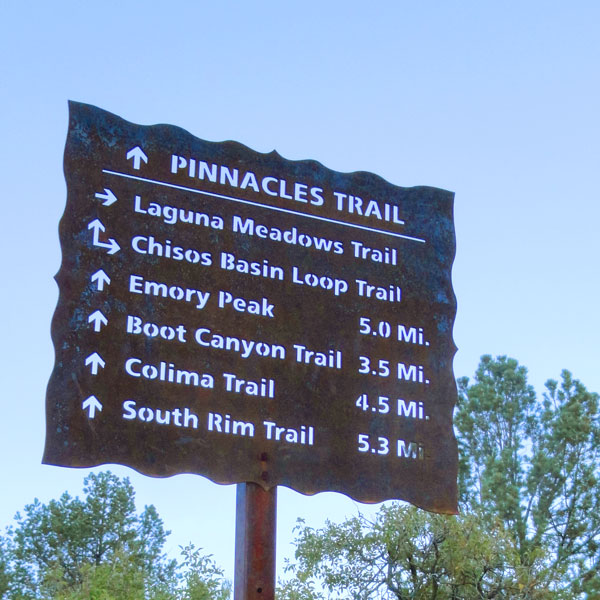
EmoryPeakLodgeWe opted to stay two nights in the Emory Peak Lodge Rooms in Chisos Basin. These  are located a short walk from the visitor center, lodge and restaurant. We loved the location because these particular rooms are in an area with only about 20 units, more secluded than the large collection of motel-style buildings called Rio Grande and Casa Grande. Our room came with a decent bathroom, full bed plus twin bed, refrigerator and the all-important coffee maker. They’re not luxurious accommodations, but who wants to stay in their room when there is a porch with a view and so much to do outside anyway. As a side bonus, the trailheads for the Laguna Meadows Trail and Pinnacles Trail are located in the driveway. When it’s time to eat, the Lodge Restaurant is the only option in the area, but it has enough variety on the menu, friendly servers and some good margaritas. There’s also an outdoor patio with an epic view of The Window formation – plan to sit there with a beverage for sunset.

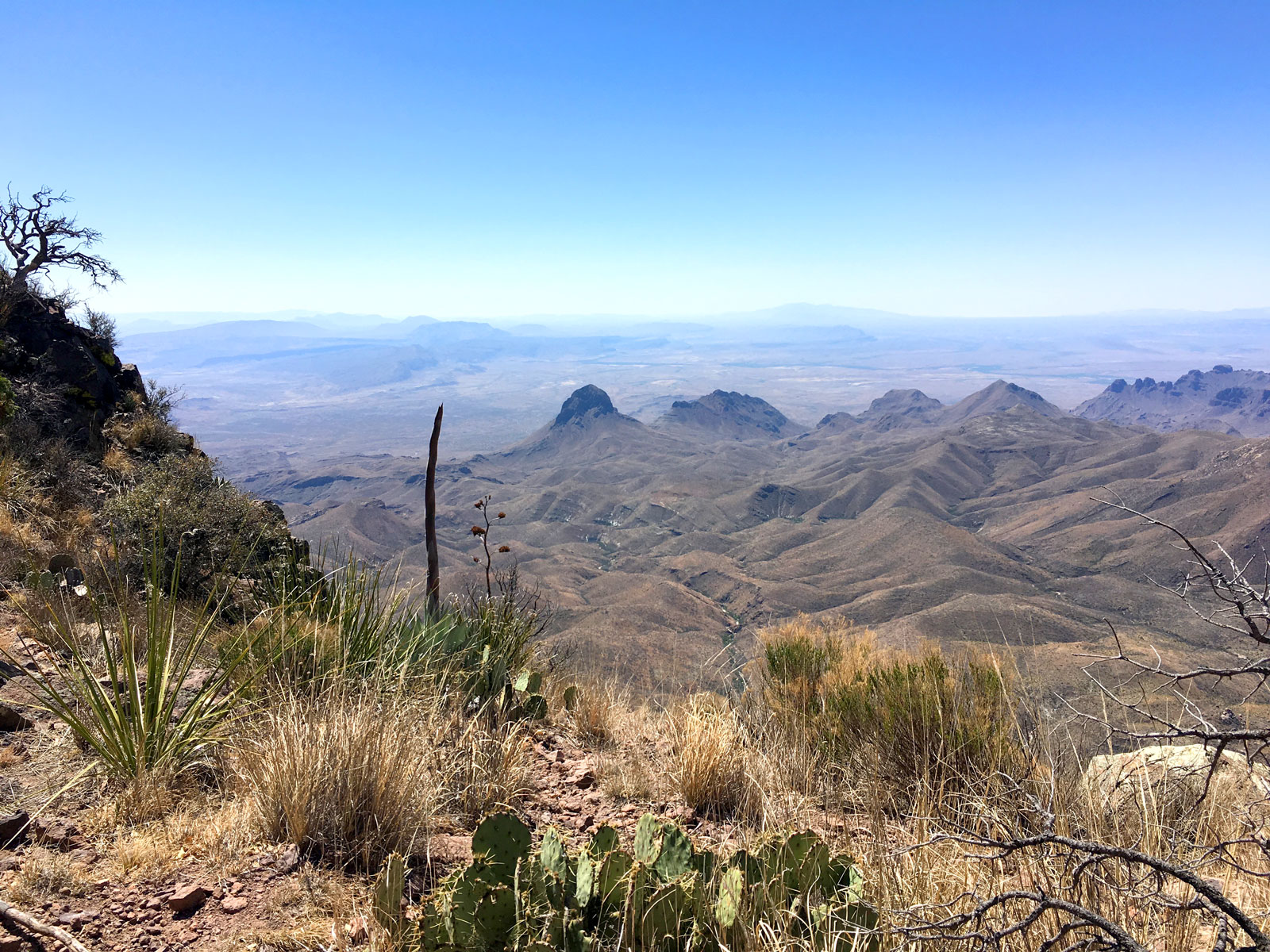
Chisos-HikingArriving in the evening on Friday, we only had time to wander around the short Window View Trail and have dinner before it was time to head to bed. The following morning we set out on the first (and longest) hike of our entire trip, a 12 mile loop to the South Rim and back. Who needs a warm up hike? The South Rim is the high bluff of the central Chisos mountains, looming thousands of feet over the desert below. The view is widely considered to be among the most scenic in Texas. We began by heading up the Laguna Meadows Trail. It seemed more people went the opposite direction, starting up the Pinnacles Trail and making their way down Laguna Meadows. We found Laguna Meadows to be slightly less steep, but it’s a pretty big climb either direction, a little over 2,000 feet in elevation gain from the basin to the high point. The trail is fairly level at first, but starts gaining elevation quickly after the first mile. Soon we looked back and could see the whole Chisos Basin below us. After the major climb, the trail curves around the west side of Emory Peak (the highest in the park) and heads across the slightly more level Laguna Meadows. Around the six-mile mark is the view everyone goes to see. As you approach the rim, the mountain falls away and the view opens up. In the foreground stands ridge after ridge of peaks and valleys. The sightline extends to the Rio Grande and beyond into South-Rim-ViewMexico, with the huge opening of Santa Elena Canyon looking like a small crack from this distance. The South Rim Trail follows the edge of this bluff for about a half mile. We took a break under a tree to enjoy the picnic lunch we brought from the Basin Convenience Store with the spectacular view before us. Peregrine Falcon nesting season means a longer stretch of the trail along the edge is closed seasonally, so we had to begin our descent on the Boot Canyon Trail. This canyon has great scenery of its own, with rocky outcrops and more thick forest than we expected. After rounding a bend, the rock formation that gives the canyon its name comes into view. It looks as if some giant cowboy took an unfortunate tumble and ended up with one boot sticking straight up in the air. The trail then rises for a while before arriving at the top of Pinnacles Trail. At this point, 9.5 miles in, we were faced with a view of the lodge in the distance and the realization of just how far down we had to climb to get there. The top of Pinnacles Trail is also where the route to the summit of Emory Peak splits off. We briefly considered making the 1.2 mile trek up there, but it’s really too much to do both the South Rim and Emory in one day. Also, we remembered there was beer in the fridge. We downed a few of those on our porch and then had dinner back at the lodge restaurant. Later that evening we took in an always-informative ranger presentation in the campground amphitheater led by Ranger Jeanette on the top ten things that make Big Bend special.

The next day was reserved for exploring the eastern side of the park. On our way out of Chisos Basin, we hiked a portion of the Lost Mine Trail, one of the most popular hikes in the park. The entire trail is 4.7 miles, but with our busy day ahead, we went only as far as the one-mile mark which has a great viewpoint into Juniper Canyon. Back on the main park road, we made our way 20 miles downhill to the Rio Grande Village area. Our destination was the Boquillas border crossing to Mexico. The town of Boquillas del Carmen, Mexico was a mining town for decades, but after the industry left it survived by hosting visitors from Big Bend via an unofficial border crossing. That practice was brought to an end in 2002 when security concerns shut down the uncontrolled border. It remained that way until the opening of an official customs station in 2013. We passed through the station and walked to the banks of the Rio Grande where a man in a small aluminum rowboat waits to ferry visitors across the border.Boquillas-Crossing

Apparently we were visible as American tourists from quite a distance, because a man across the river began belting out “Cielito Lindo” on cue. After the 30-second boat trip, (the Rio Grande is not very grande in reality) we were greeted with “Welcome to Mexico” and ushered to a small canopy where several guides waited to take visitors into town. Boquillas del Carmen is about a mile from the crossing, so we were offered three transportation options: foot, horseback or burro. Obviously we chose burro. We were also introduced to our guide for our time in Mexico, Esteban Oñate. (We think you’re allowed to visit without a guide, but having a local to show us around was great, especially on our first visit.) Esteban and our donkeys led us to the edge of Boquillas, where we dismounted and our rides were tied to a tree. Esteban has lived in Boquillas his whole life and knows the town and everyone in it well. He even takes people on long visits up to the old mountain mines around town. After a brief check-in at customs and the fee station for the Commission of Natural Protected Areas (CONANP), he took us for a walk through town and out to a large sand dune with a view of the Maderas del Carmen Mountains. Returning to town, we had a delicious lunch of cheese quesadillas and Carta Blanca beer at Boquillas Restaurant. After that it was time to saddle up and return to the river crossing on our burros. Everywhere we went in town we were approached by children selling small souvenirs, mostly woven bracelets and small wire sculptures of animals. They’re handmade and support the local community, so we purchased a few on our way out of town. There’s a fee for the tour guide and they also work on tips, so throw a couple extra dollars their way. Back in the U.S. we had to stop in the customs station to scan our passport and talk to a border agent in El Paso via video phone who asked a few standard questions. Overall, a brief, but enjoyable trip across the border that we highly recommend while in Big Bend. Also in the Rio Grande Village area there is a short trail that leads to the scenic mouth of Boquillas Canyon and a nice nature trail near the campground that goes across a wetland and up a low mesa with beautiful views of the Rio Grande.

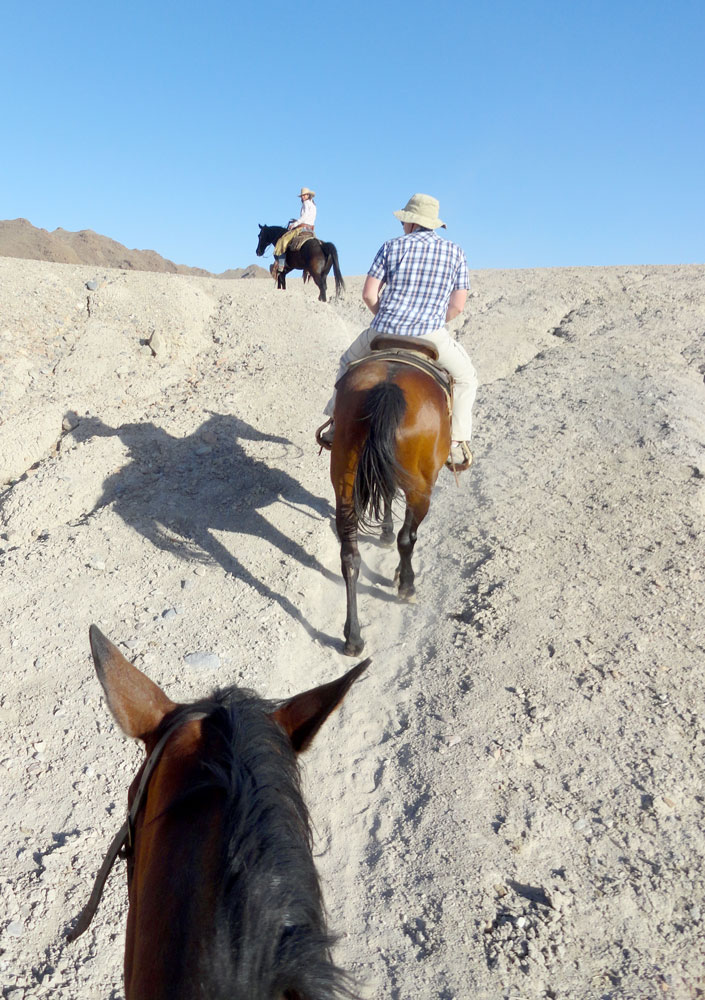
SunsetRideBigBendIn keeping with the theme of four legged transportation that day, we booked a two-hour sunset horseback ride at Big Bend Stables in Study Butte, near the west park entrance. It’s about an hour drive from Rio Grande Village to get all the way across, so we booked our third night’s lodging at the Big Bend Resort for the convenience of exploring that side of the park. Study Butte/Terlingua has more amenities, like lodging and dining, but none of the charm and backwoods feel of Chisos Basin. The sunset ride begins at 6:30, and they recommend arriving a half hour early to get everything settled so you can be on the horse and ready to go. I was matched up with Indio and Nick was paired with Mannie. After a quick refresher course on horse steering controls, we were ready to set out into the desert with our excellent guide, Kellie, leading the way. With just one other couple on our ride, it was a laid back time, allowing us to take in the scenery and get lots of great photos. The route passes an abandoned mine from the area’s mercury mining days and follows dry arroyos before climbing up to a windy mesa filled with Ocotillo plants. It’s a more fun route than we’ve experienced on other trail rides, with some steep sections and rocky paths down from the mesa. Kellie even made a photo stop so we could have our picture taken on the horses. We loved that, because on a ride a few years ago we weren’t even allowed to take photos (we secretly did), and part of the fun is showing everyone you know that you were on a horse. As we made our way back to the stables, we observed both of west Texas’ famous sunsets, the first one being the orange alpenglow on the mountains to the east and the second being the traditional blazing sky after the sun dips below the horizon in the west. After the ride, we walked bow-legged into the Starlight Theater in the “Ghost Town” area of Terlingua for dinner. It’s probably the best known restaurant in the area, serving great Tex Mex food in an old theater building with a full schedule of live music.

SantaElenaCanyon

The entrance to Santa Elena Canyon.

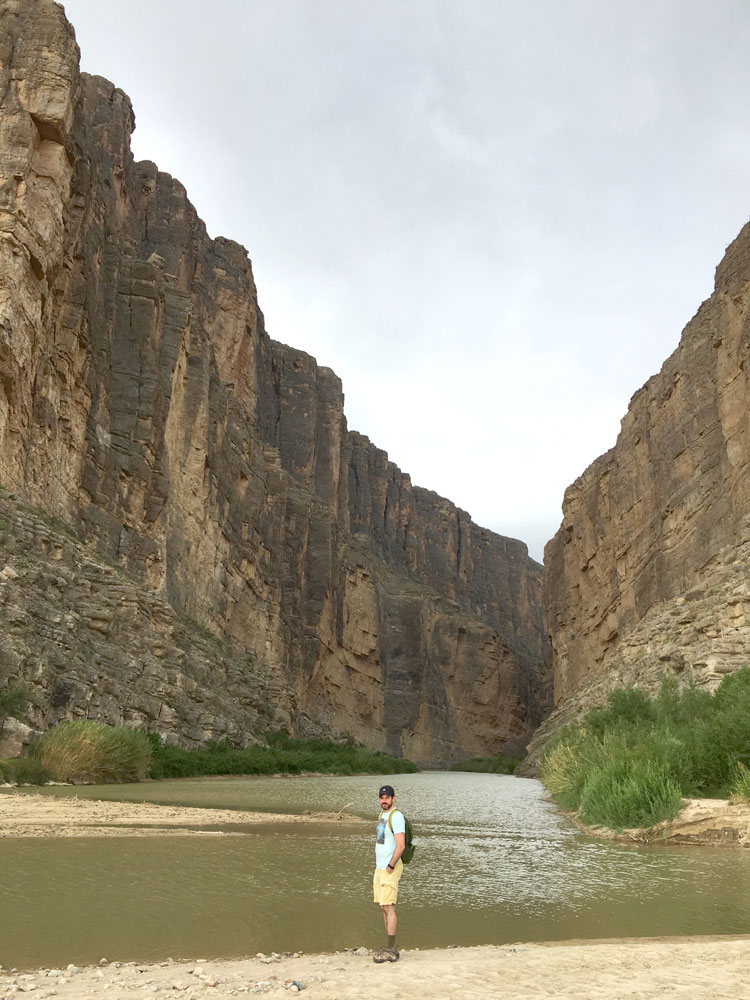
On Monday, we awoke to cloudy skies and cooler temperatures. We still had to visit the western side of the park and leave time for us to get to Marfa, Texas later in the afternoon, so we got started early. The 30-mile Ross Maxwell Scenic Drive takes visitors from Panther Junction Road south and west past all kinds of geologic beauty, ultimately ending at the gigantic mouth of Santa Elena Canyon. What looked like a small crack in a rock ledge from the top of the South Rim a couple days earlier is enormous up close. The Rio Grande has carved a narrow, 1,500 foot deep canyon with almost completely vertical walls. A moderate 1.5 mile trail begins at the parking lot at the end of the road and leads as far into the canyon as you can go without being on a boat. To put the scale of the canyon in perspective, we had to imagine Chicago’s Sears Tower standing inside with only its antennas poking out above the rim, it’s that tall, but only about as wide as a large city street. Returning to the car, we made our next stop at Castolon, a former army post set at the base of Castolon Peak. There are several historic buildings, the La Harmonia general store, exhibits on the border region and ranching implements showcasing the settlement’s more populated days. We asked a ranger about a possible hike on the Oak Springs Trail, but she wasn’t too enthusiastic about sending visitors there because of the extreme sensitivity of the area. Apparently, the Oak Springs Trail will soon be closed to visitors, which explains why it’s not marked on maps anymore. Instead, we found a nice shady spot at Sam Nail Ranch and enjoyed our picnic lunch. With a view of the Window and the still cloud-shrouded Chisos Mountains we were happy to have had a sunny day when we were on the South Rim. With that closing view, it was time to get on the road to Marfa. We’d spent nearly three days in Big Bend and enjoyed every minute of it. The park really is large and varied enough to spend an entire week exploring. On a second visit, a Rio Grande rafting trip and maybe a 4WD road trek with some camping would be on my list.
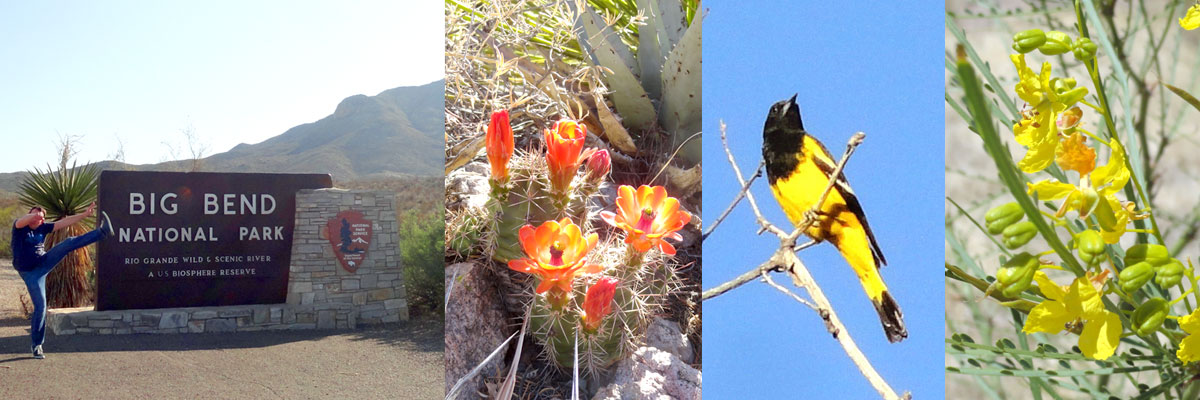
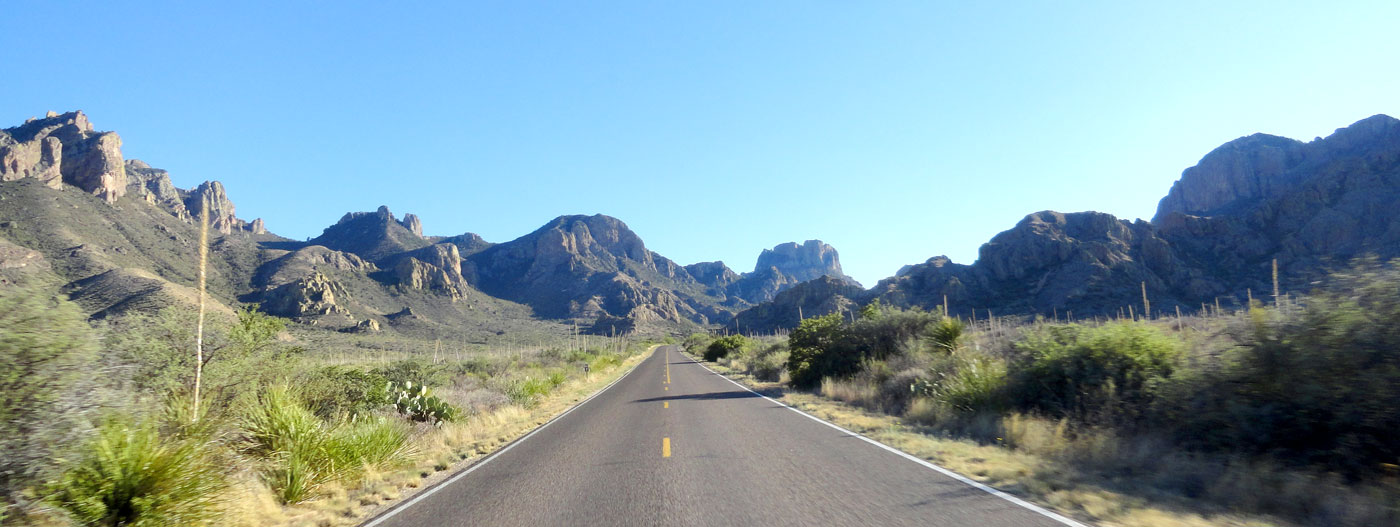
Overall, we place Big Bend in the top tier of national parks for its combination of stunning scenery, unique local history, great day hikes and historic in-park lodging and dining.

Check out the full gallery of images from our trip here.
Up next: Marfa, Guadalupe Mountains and Carlsbad Caverns

CloudyChisos

Parting shot of the cloudy Chisos Mountains from near the Sam Nail Ranch site.

Posted in Travelogues | Tagged , , , , , , , , , , | 2 Comments

Statistics: Texas and New Mexico

Our first trip of 2016 took us to two states, three national parks, two national monuments and even a brief lunch stop in Mexico. Here’s how it all breaks down by the numbers. Click the image for larger view.

Posted in Destinations, Maps | Tagged , , , , , , , , , | 2 Comments